
AI and Technology Reshaping Traditional Methods of Organic Farming
In the world of organic farming, innovation is blooming. Artificial Intelligence (AI) and technology are significantly transforming this eco-friendly practice, ushering in a new era of precision agriculture, resource efficiency, and sustainability.
Recent advancements are making a profound impact. Predictive Agriculture, for instance, is an AI-powered software that analyses historical and real-time data to forecast crop yields, detect pest infestations early, and identify soil nutrient needs. By optimising inputs like water and organic fertilizers, this technology helps organic farmers achieve better yields while reducing environmental impact. Over 60% of large farms are expected to adopt such AI tools by the end of 2025[1].
Another key innovation is the use of Digital Twins and Virtual Crop Simulations. These allow organic farmers to model different farming scenarios virtually, predicting outcomes under varying climate and management conditions. This supports decision making in organic systems sensitive to ecological factors[1].
AI-Driven Soil Management is another game-changer. AI is used to propose and refine sustainable soil practices relevant to organic farming, such as no-till farming, crop diversification, and integrated crop-livestock systems. These strategies increase soil carbon sequestration and improve soil health—critical in organic systems[2].
The integration of IoT and sensor technology is also transformative. Sensors for soil health, moisture, and crop monitoring combined with drones and satellite imaging provide real-time, precise data for organic farms. This enables targeted interventions, avoiding over-application of inputs and ensuring organic standards compliance[1][3].
Farm machinery and robotics are also benefiting from AI integration. Enhanced precision for tasks like spraying organic-approved treatments or automated weeding reduces labor and chemical use[1][3].
The benefits of these advancements for organic farming are manifold. Enhanced Productivity while adhering to organic principles is achieved by optimising natural resource use. Improved Sustainability is a direct result of data-driven practices that maintain soil quality and reduce emissions. Resilience to Climate Change is bolstered by forecasting risks and adapting crop choices or practices dynamically. Reduced Resource Waste is achieved via precise management of water, nutrients, and pest control inputs. Support for Smallholders and Cooperatives is provided through accessible technology and data-driven agronomic advice[3].
Drones and sensors equipped with AI can analyse soil health, identify nutrient deficiencies, and suggest organic fertilizers. Organic farmers are also adopting AI-driven climate control systems, energy-efficient greenhouses, and solar-powered equipment. Technologies like blockchain promote consumer trust in organic certification by providing a secure and unchangeable ledger for tracking produce from farm to table.
Smart systems encourage sustainability by using less energy, water, and other resources. AI can optimise growing conditions and reduce energy use in greenhouses. AI-based systems can recommend companion planting techniques and crop rotations for organic farming.
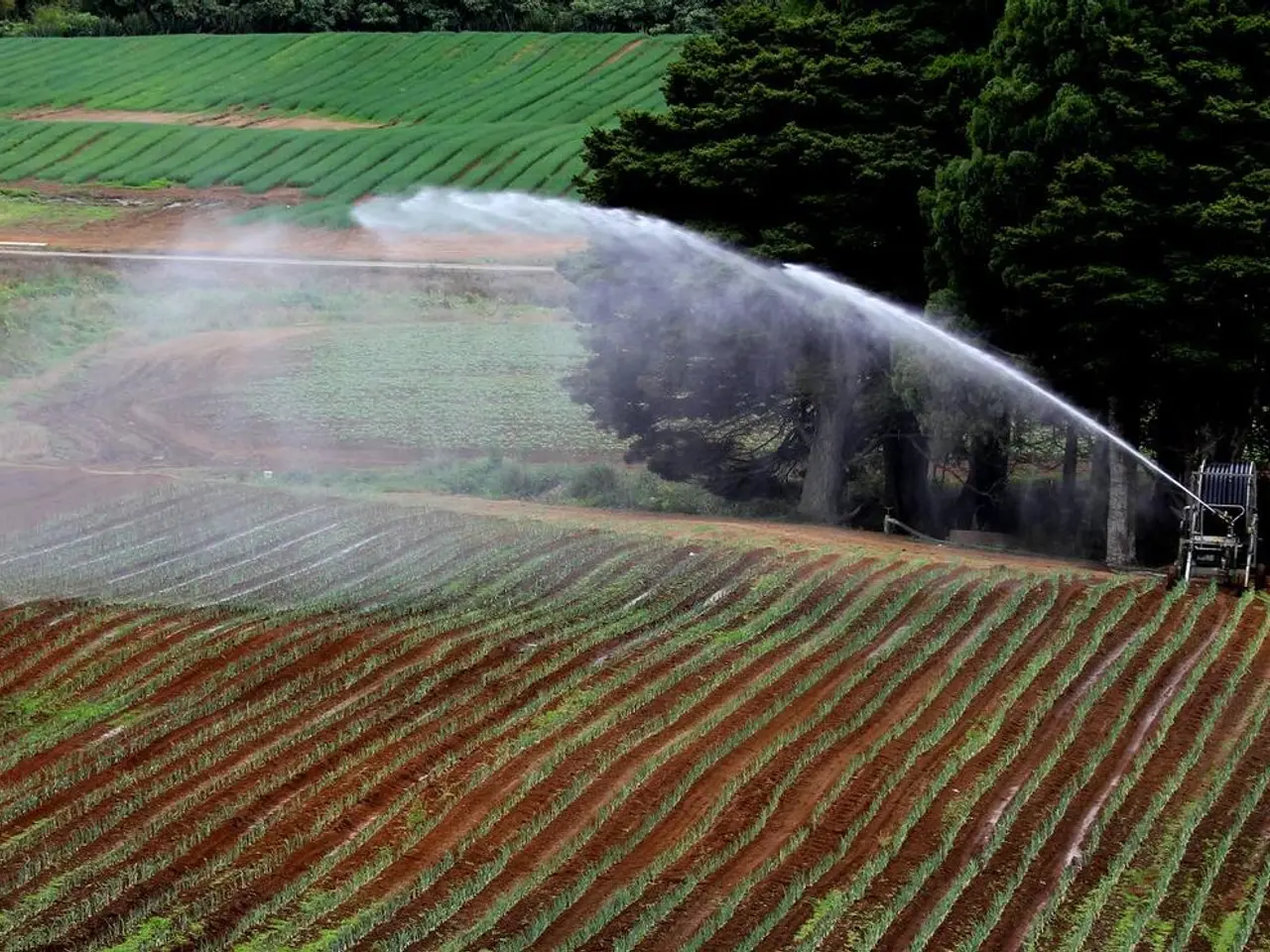
Robotics is being utilised in organic agriculture to automate labor-intensive tasks such as planting, weeding, and harvesting. New smart irrigation systems help conserve water, especially in drought-prone areas.
In summary, AI and technology are accelerating the evolution of organic farming into a more data-informed, efficient, and sustainable practice. By meeting global food demands while respecting ecological constraints, organic farmers can remain innovative and contribute to a better world.
Organic farming is significantly leveraging data-and-cloud-computing technologies, with AI-powered software like Predictive Agriculture analyzing data to optimize crop yields, detect pest infestations, and manage soil nutrient needs, thereby helping farmers reduce environmental impact.
Digital Twins and Virtual Crop Simulations are also key innovations, allowing farmers to model different farming scenarios virtually, predicting outcomes under various climate and management conditions, which supports decision making in organic systems sensitive to ecological factors.




