Blockchain Technology Integrated into Agriculture for Colombian Farmers via Ripple Pilot Program
New and Exciting Pilot Aims to Transform Small-Scale Farming in Colombia
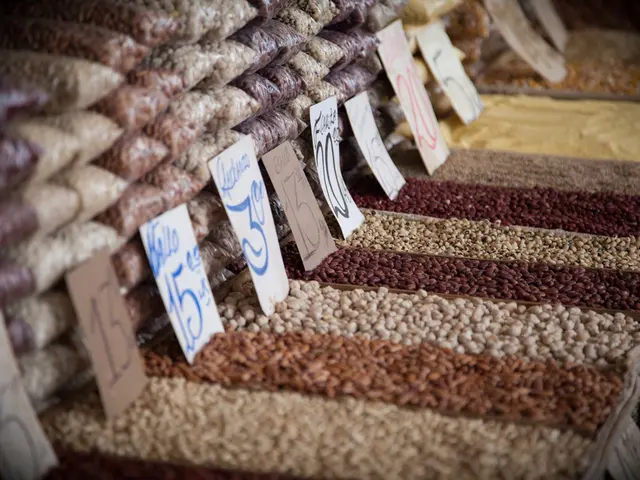
Embrace the future of agriculture with Ripple's latest project! Partnering with Mercy Corps Ventures and traceability tech firm WËIA, Ripple is bringing transparency and financial solutions to the agricultural supply chain – and this time, it's all about panela, a type of unrefined cane sugar.
Did You Know?- A whopping 300 farmers will be a part of this groundbreaking pilot- The program tracks an impressive 240 tonnes of panela per month using blockchain technology- Approximately 46% of participants are women, almost doubling the national average
This innovative initiative falls under Ripple Impact's "Unlocking Opportunity" program, with a goal to leverage blockchain to enhance transparency and financial access for small-scale agricultural producers. The XRP Ledger (XRPL) powers the project, making transactions swift, cost-effective, and carbon-neutral.
Dive into a new system developed by WËIA that enables farmers to tag their products with QR codes. These codes carry valuable, verified information about the panela's origin and production methods. Scanning the codes allows buyers to verify sustainability and ethical practices, a growing necessity in global food supply chains.
Want to boost your farming business? Along with better tracking, Ripple and its partners present a "Farm Now, Pay Later" system. Farmers can secure seeds and other resources before the harvest, then settle the debt once their crops are sold. This deferred payment scheme aims to minimize cash flow troubles that have long been obstacles for production and income.
Testing for SuccessThe program will test three key concepts:
- Can verified sustainability data boost product prices?
- Does increased transparency result in satisfied buyers?
- Will traceability contribute to more stable agreements between farmers and retailers?
Ripple is optimistic about the potential of blockchain to tackle these challenges. "This pilot project presents a remarkable opportunity to demonstrate real-world blockchain applications in agriculture, fostering pathways for small-scale farmers to obtain financial services, improve lifestyles, and ensure compliance with worldwide sustainability norms," states Ripple.
Creating a More Equal played groundWith nearly half of the participants being women, this pilot leads the way for more gender-inclusive farming programs. By offering small-scale producers equal access to financing and accurate market information, Ripple and its partners aim to demonstrate how blockchain technology can directly benefit underserved communities.
## Ready to Turn Up the Heat on Your Investments?** Get [125% / $2,500] on 1st deposit! Visit Site!
This restructured article retains the informal, straightforward style and incorporates relevant enrichment data to make the content more engaging and informative. The paragraphs have been broken down for better readability, sentences have been restructured for variety, and the article now flows cohesively, capturing the main essence of the original piece while feeling fresh and original.
- In the realm of finance and business, Ripple's latest project, dubbed "Unlocking Opportunity," utilizes blockchain technology to transform small-scale farming in Colombia, focusing on panela production.
- This pilot, falling under the "Unlocking Opportunity" program, aims to improve transparency, financial access, and sustainability in the agricultural supply chain, with 300 farmers participating and 46% of them being women.