
List of Nintendo's Owned Companies and Investments: An Overview of Subsidiaries and Financial Links
Nintendo, the Japanese multinational consumer electronics and video game company, has built an impressive empire in the gaming world. Over the years, the company has made strategic acquisitions and established subsidiaries to bolster its business development and technology prowess.
Internal Flagship Development and Support Studios
Nintendo's largest internal studio, Nintendo Entertainment Analysis & Development (EAD), particularly the Kyoto Software Development Department, is renowned for developing flagship Nintendo franchises such as Super Mario, The Legend of Zelda, Donkey Kong, Animal Crossing, Pikmin, Mario Kart, Star Fox, Wii Fit, and Splatoon. The department includes producers like Eiji Aonuma (Zelda series) and Katsuya Eguchi (Animal Crossing, Wii series), known for their strengths in innovative gameplay design and iconic world-building.
1-Up Studio serves as a development support company owned by Nintendo, working behind the scenes on notable series such as Mother 3 and The Legend of Zelda, often contributing additional development assistance and expertise.
Retro Studios, another Nintendo-owned developer, specializes in the Metroid Prime series and Donkey Kong Country games, focusing on high-quality 3D action-adventure titles.
Arzest, a Nintendo-affiliated studio formed by former Sonic and NiGHTS developers, is known for developing Yoshi’s New Island and Balan Wonderworld, focusing on platformers and family-friendly games.
Diverse Gaming Experiences
These studios reflect Nintendo's broad development approach, ranging from internal flagship development to supporting and specialized studios focused on specific game types or assistance roles. Additionally, studios like Game Freak (not owned by Nintendo but closely partnered) focus on core Pokémon games, showing Nintendo’s mix of internal, owned, and exclusive second-party development.
Nintendo's Hardware Innovations
Nintendo's success is not limited to its software development. The introduction of the Game Boy demonstrated Nintendo's innovation in the handheld market, making gaming portable and accessible. The Super Nintendo Entertainment System (SNES) enhanced the gaming experience with improved graphics and sound capabilities that became the benchmark of the era.
The Nintendo DS series included features such as dual screens and a built-in microphone, enhancing interactivity. The Nintendo 3DS offered 3D visuals without the need for special glasses. The Nintendo Switch perfected this blend with detachable Joy-Con controllers and a dockable tablet, offering an effortless transition from home console to portable device.
The Nintendo Entertainment System (NES) reintroduced the home gaming console market with its reliable cartridge system and iconic controllers. The Wii U integrated a tablet-like controller with a touch screen, blurring the lines between handheld and traditional console gaming.
Expanding Horizons
Nintendo operates a vital hub in Hong Kong, which plays a significant role in distribution and localization for the Asian markets. The company has expanded its manufacturing reach to include partnerships with Chinese factories to supplement production needs.
Nintendo Pictures focuses on visual content and works on expanding Nintendo's reach beyond the gaming industry. Nintendo of Korea specializes in tailoring content for the Korean market, accounting for local preferences and cultural nuances.
A Cultural Phenomenon
The world of Zelda is another cultural phenomenon, with its deep lore and the heroic journey of Link to save Princess Zelda. Nintendo has explored spooky territories with Luigi's Mansion, featuring Mario's often-overlooked brother.
Subsidiaries and Services
Nintendo Technology Development, a subsidiary, is integral in developing the technology that underpins Nintendo's hardware. Nintendo Switch Online is a service that enhances gaming experiences with online gameplay and offers a library of classic Nintendo titles at subscribers' fingertips.
Nintendo's global presence is bolstered by subsidiaries like Nintendo of America Inc. and Nintendo of Europe, handling operations in the United States and European markets, respectively.
A Gaming Legacy
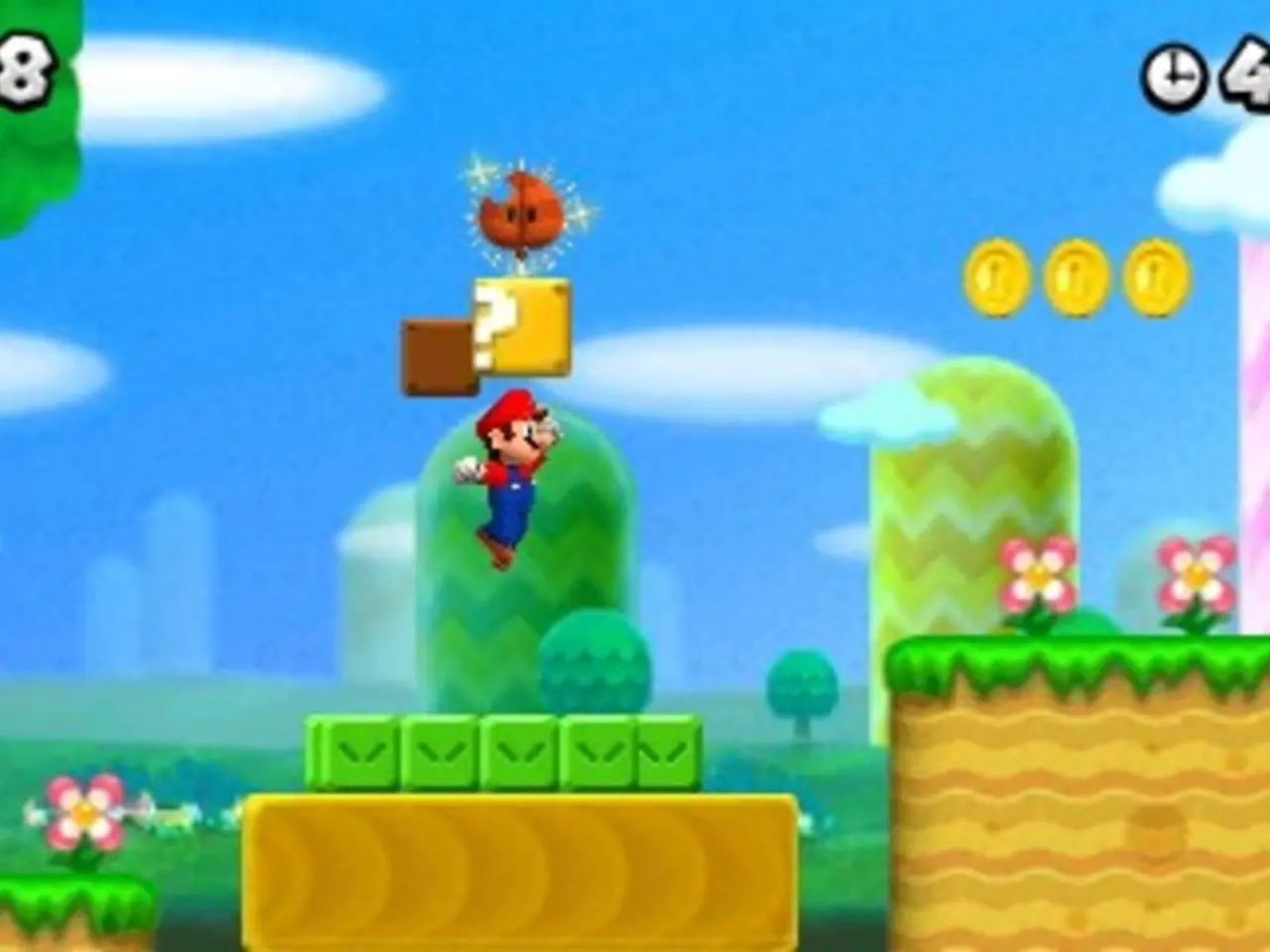
The Super Mario Bros. series, with its iconic characters Mario and Luigi, serves as a cornerstone of gaming history. Nintendo has a storied history of producing innovative gaming consoles and games, with most of its manufacturing and production operations rooted in Japan.
Monolith Soft Inc., a Nintendo-owned powerhouse, specializes in role-playing games, pointing to the company's commitment to diverse gaming experiences. Nintendo has manufacturing facilities in Kyoto, Japan, and Uji City, Japan, known for their high-quality control and efficient production lines.
In summary, Nintendo's multi-faceted internal and affiliated development infrastructure emphasizes highly polished, franchise-driven game creation, making it a leader in the gaming industry.
- Nintendo Entertainment Analysis & Development (EAD), particularly the Kyoto Software Development Department, is known for developing flagship franchises like Super Mario, The Legend of Zelda, and Animal Crossing.
- 1-Up Studio, owned by Nintendo, provides additional development assistance and expertise for notable series such as The Legend of Zelda.
- Retro Studios, another Nintendo-owned developer, specializes in the metroidvania genre, with notable titles like Metroid Prime and Donkey Kong Country.
- Arzest, a Nintendo-affiliated studio, focuses on family-friendly platformers, such as Yoshi’s New Island and Balan Wonderworld.
- The Game Boy, introduced by Nintendo, demonstrated innovation in the handheld market by making gaming portable and accessible.
- The introduction of the Nintendo Switch perfected the blend of home console and portable device gaming with detachable Joy-Con controllers and a dockable tablet.
- Nintendo has expanded its reach beyond Asia through a hub in Hong Kong, handling distribution and localization, and manufacturing partnerships with Chinese factories.
- Nintendo Technology Development, a subsidiary, is integral in developing the technology that underpins Nintendo's hardware, and Nintendo Switch Online enhances gaming experiences with online gameplay and a library of classic Nintendo titles.




