Scientists Recreate Neanderthal Facial Features from a 75,000-year-old Smashed Skull
Revamped Reconstructed Neanderthal Woman
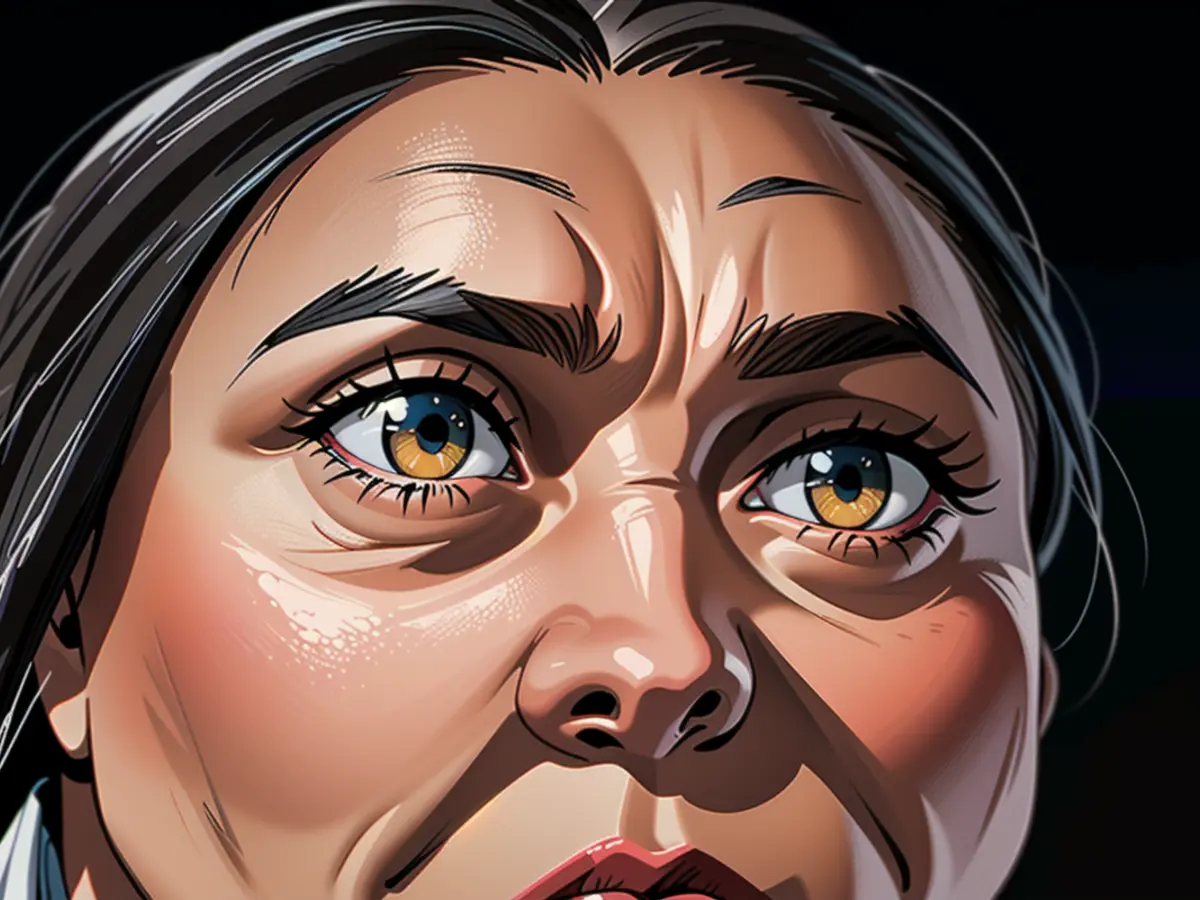
Delving into the annals of history, a team of intrepid researchers breathed life into a Neanderthal woman, offering an eerily real glimpse of her appearance some 75,000 years ago.
Neanderthals, a branch of archaic humans, inhabited Eurasia and, sadly, faded from the fossil record around 40,000 years ago. They boasted barrel-chests, prominent brows, and a shorter, stockier build compared to modern humans. Yet, they didn't just disappear; Neanderthals intermingled with the ancestors of Homo sapiens, and evidence suggests that these ancient kin infiltrated the Homo sapiens gene pool to a certain extent. Remnants of Neanderthal DNA linger in modern human genomes, more prevalent in parts of eastern Asia.
The enigmatic woman, christened Shanidar Z, was unearthed in Iraqi Kurdistan's Shanidar Cave, a site brimming with Neanderthal remains since the 1950s. Estimates indicate that this ancient lady was around 40, having spent her midlife years there. Standing approximately five feet tall, she had been discovered alongside a gully scooped out to accommodate rainwater.
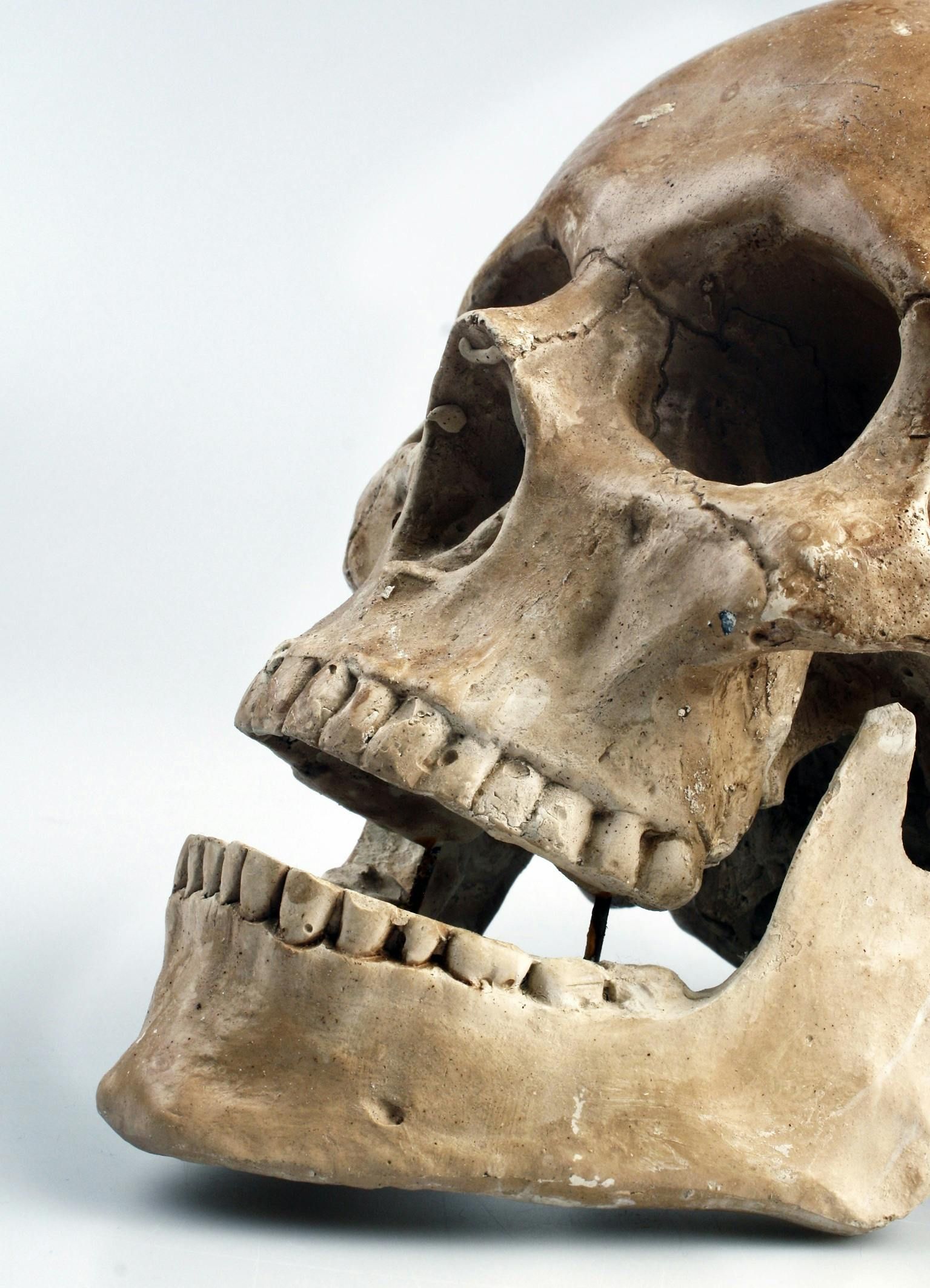
The woman's skull was reduced to hundreds of shattered fragments due to a rockfall and sediment, but she was gathered next to the makeshift runoff channel, seemingly resting in a position close to a cozy sleep.
Emma Pomeroy, a paleoanthropologist at the University of Cambridge, expressed her thoughts on the finding, stating, "For these Neanderthals, there did not appear to be a clear boundary between living and the dead."
Crafting the likeness of this Neanderthal queen was left to the capable hands, and, remarkably, minds, of the Kennis brothers. Originally a pair of sculptors, their passion has expanded to breathe life into our ancient ancestors. After reconstructing the skull from its dispersed fragments, the brothers scanned and 3D-printed it. By applying artificial muscle and skin, they assembled the face.
Since the dawn of our understanding, Neanderthals have dramatically changed the narrative, transitioning from being perceived as obdurate brutes to cunning, socially engaged beings. Research reveals that Neanderthals demonstrated tender care towards their companions, healing and tending to injured ones.
Unsurprisingly, evidence for this behavior came from Shanidar Cave. In 2020, the same team stumbled upon another Neanderthal skeleton in the cave, which seemed to have undergone an intentional burial accompanied by plant matter. However, a subsequent paper published in November 2023 questioned the initial findings, suggesting that some pollen at the site may have been deposited by bees instead of mourning Neanderthals. Still, the remains in Shanidar Cave span thousands of years, indicating that the shelter was revisited by successive generations of Neanderthals.
Neanderthals' story is a tapestry woven with increasing shades and intricacies as excavations unearth more sites and technology advances, facilitating the extraction of valuable data. The picture becomes clearer: Neanderthals were crafted in the likeness of us, thus merging with us in essence.
For further insights, indulge in Determining Neanderthal Appearance: The Clues in Our Genes.
Did you know?Neanderthal DNA splashed into modern human genomes due to interbreeding between Neanderthals and early modern humans around 250,000 years ago and another event between 40,000 to 54,000 years ago. This DNA contributed to various traits in modern humans, including aspects of immune response, brain function, and physical adaptations. However, Neanderthal-derived genes also carry some risk factors for modern diseases, making their impact in the human genome multifaceted. Neanderthals shared a common ancestor with modern humans around 600,000 to 800,000 years ago before branching off on separate paths. As Neanderthals adapted to the colder climates of Europe and Asia, they diverged from early modern humans both physically and genetically. When early modern humans ventured into these regions, they encountered Neanderthal populations, leading to hybridization and Neanderthal DNA persisting in the modern human genome to this day.
- The Kennis brothers, with their expertise in reconstruction, used advanced technology like 3D printing to assemble the face of the Neanderthal queen, Shanidar Z, from shattered fragments.
- Neanderthals, like their Homo sapien descendants, may have practiced tender care towards their wounded companions, as evidenced by the Shanidar Cave findings.
- Despite initial suggestions of Neanderthals intentionally burying their dead in Shanidar Cave, further research questions the premise and proposes that some pollen at the site may have been deposited by bees.
- Research continues to reveal valuable information about Neanderthal appearances, with modern science revealing that Neanderthal DNA contributed to various traits in modern humans, merging the species in many ways.