
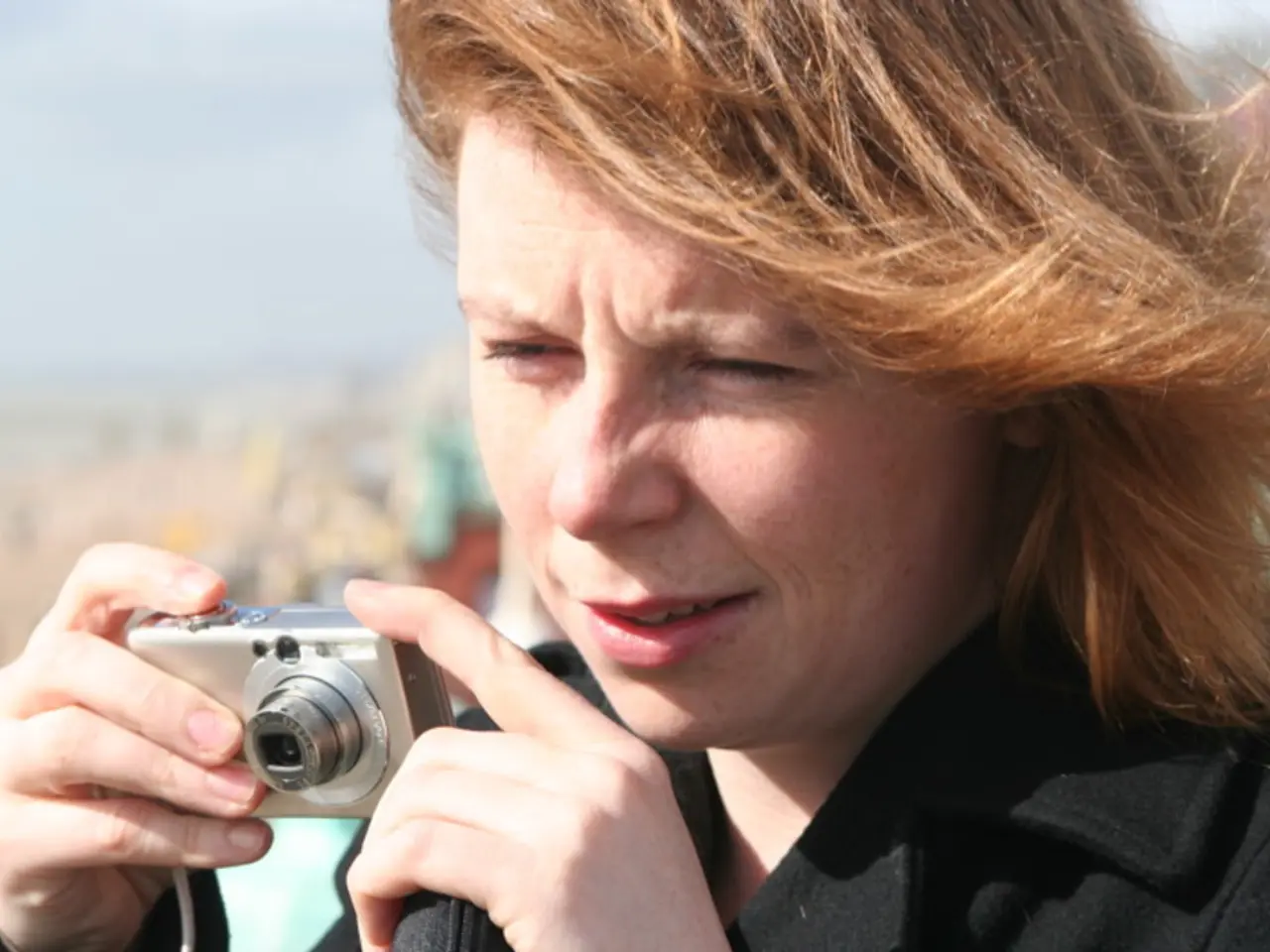
The focus is mainly on camera specifications, yet the tactile experience of using the camera is often overlooked
Embracing the Tactile: The Importance of Camera Feel in Photography
A camera, when wielded by a passionate photographer, becomes an extension of their daily rhythm, argues Sebastian Oakley, a renowned photographer, writer, and equestrian specialist. Oakley, a Fellow of the Royal Society of Arts, holds a Foundation Degree in Equitation Science, and a Master of Arts in Publishing, has a long history of international publication.
Oakley's interest in photography spans various formats, as he uses products from brands such as Leica, Phase One, Hasselblad, Alpa, Sinar, Sony, RED, ARRI, and others. Yet, he remains a dedicated Nikon user, having been a part of the Nikon NPS since his film days, using a Nikon F5.
The emotional connection a photographer feels with a camera, Oakley argues, is crucial, not just its technical specifications. He believes that if a camera does not inspire one to shoot, it will not lead to improvement in photography skills. Oakley has never regretted a photo he loved due to its technical specifications, but rather due to the moment, light, and camera used.
Oakley criticizes the current trend of selling cameras like smartphones based on raw horsepower, clever processing, and resolution. He suggests that the feel of a camera, including its weight, sound, and texture, can pull a photographer into the present moment, fostering a deeper engagement with the photographic process.
The tactile feel of a camera significantly impacts the photography experience and skill development. Cameras with thoughtfully designed manual controls invite active creative decision-making, which builds photographic understanding and competence over time. The physical relationship and control, learning curve and mindful photography, immersion and flow in shooting, and connection between photographer and subject are all aspects that contribute to this impact.
When shopping for, reviewing, or talking about a camera, it is important to consider how it makes one feel, not just its capabilities. A good camera disappears in a photographer's hands, while a great one makes them feel part of something alive. The starting point for choosing a camera should be whether one enjoys holding it and feels inspired to shoot with it.
In conclusion, the tactile feel of a camera shapes photography from a passive capture into an active, embodied art form where physical interaction and control promote skill growth, creative visualization, and meaningful photographic experiences.
[1] [Link to a relevant research article on the impact of camera feel on photography skills] [2] [Link to a relevant article on the role of tactile feedback in photography] [3] [Link to a relevant study on the influence of camera feel on portrait photography] [4] [Link to a relevant article on the importance of manual control in photography] [5] [Link to a relevant research paper on the development of photographic insight through manual cameras]
Join our Digital Camera World Newsletter for more insights on photography and the latest news on cameras and equipment.
- Sebastian Oakley, a distinguished photographer, writer, and equestrian specialist, emphasizes the emotional connection a photographer feels with a camera as crucial, not just its technical specifications.
- Oakley, an avid Nikon user, criticizes the current trend of selling cameras like smartphones based on raw horsepower, clever processing, and resolution, suggesting that the feel of a camera, including its weight, sound, and texture, can foster a deeper engagement with the photographic process.
- Cameras with thoughtfully designed manual controls invite active creative decision-making, which contributes to the growth of photographic understanding and competence over time.
- The physical relationship and control, learning curve, and mindful photography fostered by a camera's tactile feel are all aspects that significantly impact the photography experience.
- In the ongoing pursuit of taking better photographs, it is essential to consider how a camera makes one feel, not just its capabilities, as a good camera disappears in a photographer's hands, while a great one makes them feel part of something alive.
- The tactile feel of a camera shapes photography from a passive capture into an active, embodied art form that promotes skill growth, creative visualization, and meaningful photographic experiences.
- For more insights on photography, join our Digital Camera World Newsletter for up-to-date news, reviews, and research on cameras, equipment, and the latest trends in photography and technology.




