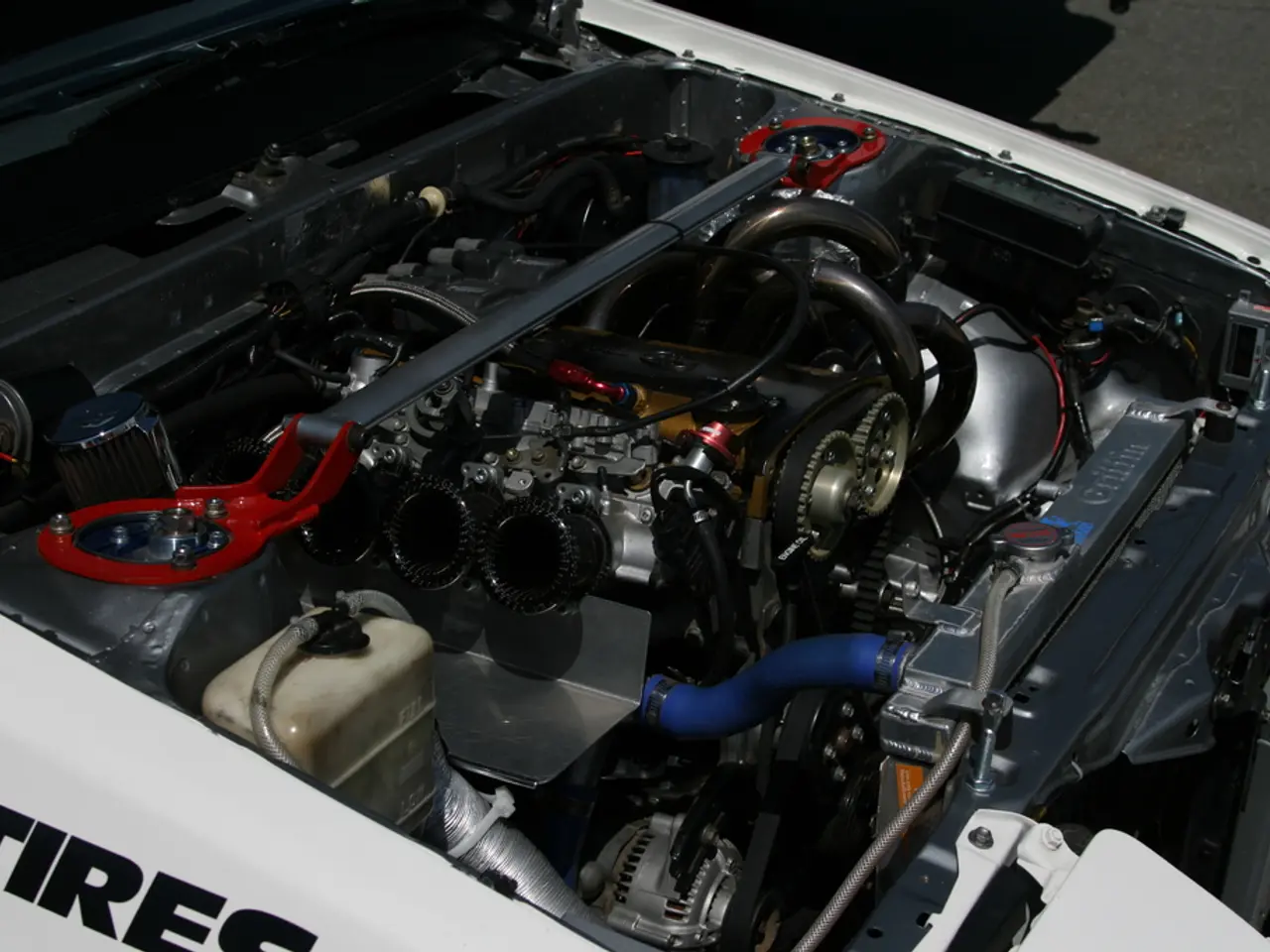
The significance of the fuel filter lies in its function.
In every vehicle, the fuel filter plays a crucial role in maintaining the smooth operation of the engine. This essential component catches and absorbs contaminants from the system, preventing clogged fuel lines and injectors.
Gasoline and diesel filters, while serving the same purpose, have distinct differences due to the properties of their respective fuels. Gasoline filters typically include a water separator to remove water from the fuel, protecting gasoline engines. On the other hand, diesel filters are specifically designed to separate water and impurities from diesel fuel, which is more prone to contamination and requires finer filtration such as 10 micron elements.
Modern gasoline engines with direct injection often use fuel filters designed to last the lifetime of the vehicle. However, for older vehicles and diesel engines, the replacement of the fuel filter is a regular part of the inspection. The exchange of the fuel filter usually takes place every 60,000 to 90,000 km, but this number may vary depending on the manufacturer's specifications. It is recommended to fill the new filter with fresh fuel before installation.
Working with fuel filters involves safety precautions. Wearing appropriate gloves protects the skin from gasoline or diesel during the work.
There are two types of fuel filters: fuel line filters and fuel replaceable filters. The fuel line filter is the simplest variant, located between the fuel lines, and replaced as a whole. Fuel replaceable filters, on the other hand, are usually found in the fuel rail or in the intake manifold. Both types have the same requirements, but due to the proportion of ethanol or biodiesel in modern fuels, the filter medium must be significantly more resistant.
Fuel line filters are available in different sizes for specific vehicle models, such as the Audi A6 C5 (4B5), Volvo V70 II, or as a universal model. For instance, the Mann-Filter WK 842 is a fuel filter for Ford Transit/Fiat Ducato, while the Febi Bilstein Fuel Filter is for Audi/VW/Skoda 1.6/2.0 TDI, and the Valeo Fuel Filter (587915) is for Citroën C4/Peugeot 407 2.0 HDi.
Brake cleaner helps to remove spilled fuel from the engine compartment. Proper venting of the fuel system after assembly is also important, especially for diesel engines, to avoid insufficient lubrication of injectors and high-pressure pumps. If start attempts are made with a dry filter and an unventilated fuel system, it can lead to expensive damage.
Using an OBD2 diagnostic device or manual hand pumps can help vent the fuel system. If these are not available, a vacuum pump can be used. Diesel or gasoline additives can also help flush out deposits from the fuel system.
The quality of fuels, namely gasoline and diesel, has consistently improved over the years, making tank rust less of a concern. However, dirt particles can still be present in the fuel. In such cases, diesel or gasoline additives can help maintain the cleanliness of the fuel system.
In summary, understanding your vehicle's fuel filter and its role in maintaining your engine's performance is essential. Regular maintenance and timely replacement can prevent loss of performance, poor starting behavior, or increased fuel consumption, ultimately saving you from expensive repairs.
Read also:
- Mural at blast site in CDMX commemorates Alicia Matías, sacrificing life for granddaughter's safety
- Is Maruti's reign over the SUV market being challenged by Mahindra's aggressive move to snatch the top spot?
- Social Security Administration Abandons Plan for Electronic Payments: Important Information for Recipients of Benefits
- Increased energy demand counters Trump's pro-fossil fuel strategies, according to APG's infrastructure team.